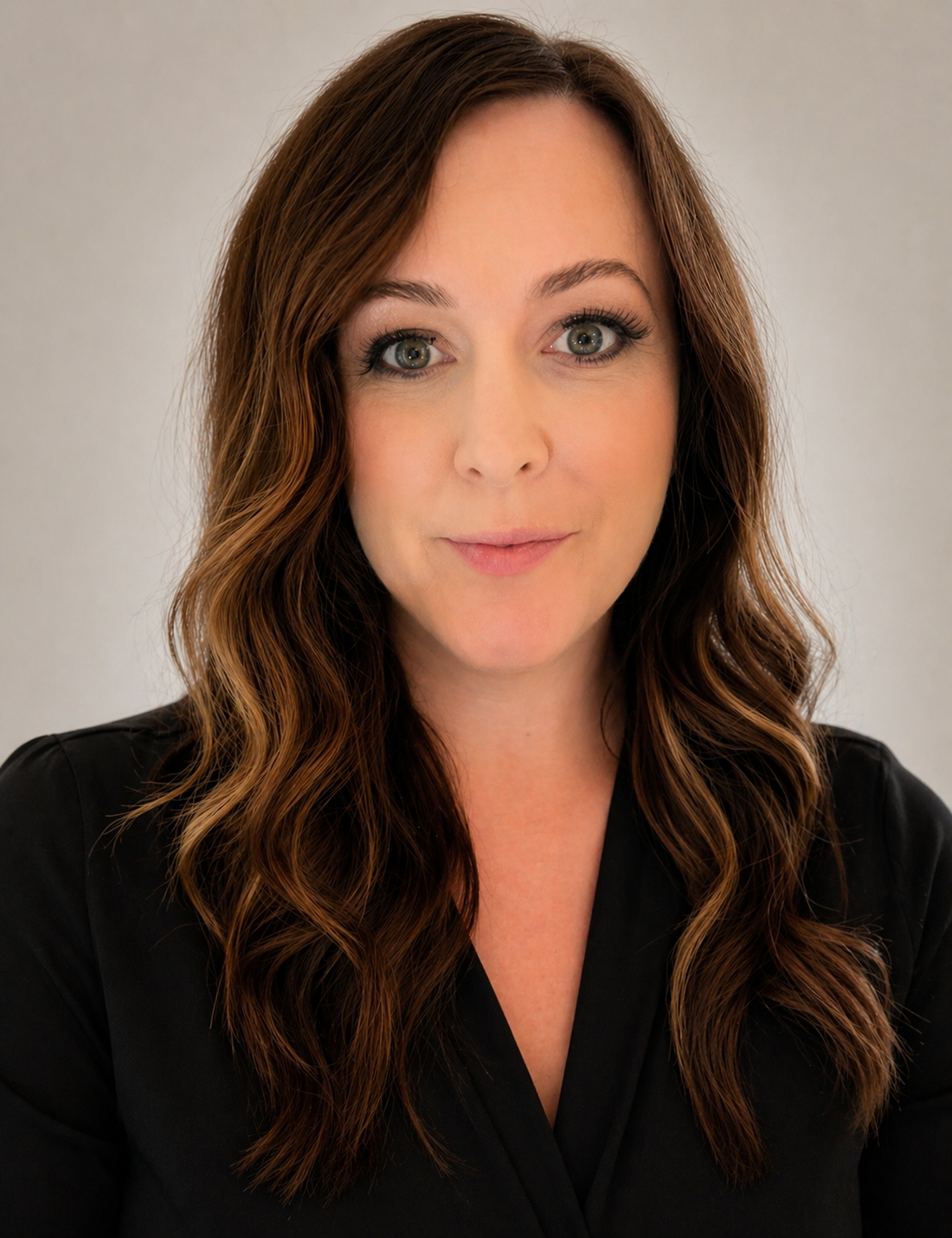
Meet Katie
Katie Reed, Registered Provisional Psychologist
I believe that healing happens through connection, understanding, and supportive relationships. My goal is to create a warm, collaborative space where children, adolescents, parents, and families feel heard, supported, and empowered as they navigate life's challenges.
My approach is grounded in family systems thinking, recognizing that individuals are shaped by the relationships, environments, and experiences that surround them. I strive to help families better understand one another, strengthen relationships, and create meaningful, lasting change.
Prior to becoming a psychologist, I spent over a decade working within education and health care systems, supporting children, youth, families, and multidisciplinary teams. This experience provided me with a deep understanding of child development, learning, neurodiversity, emotional regulation, family relationships, and the complexities families often face when navigating schools, healthcare systems, and community supports.
My work is informed by attachment theory, family systems approaches, trauma-informed practice, and strengths-based care. I am particularly passionate about supporting:
Parents seeking support, guidance, and stronger connections with their children
Families navigating conflict, transitions, or periods of overwhelm
Individuals navigating anxiety, stress, life transitions, relationship challenges, and personal growth
Couples seeking to strengthen communication, rebuild connection, navigate conflict, or work through life transitions together
At Suarga Family Psychology, I aim to provide a compassionate and welcoming space where individuals and families can feel safe to explore challenges, build on strengths, and move toward greater connection, healing, and wellbeing.
Outside of my professional role, I am a wife, mother, and lifelong learner who values family, nature, and the importance of creating meaningful relationships. These experiences continue to shape my belief that growth and healing are most powerful when they occur within supportive and connected communities.